PRODUCTS

Professional stone crushers & mills manufacturer

MORE

CASES

Hundreds of customers sites

MORE

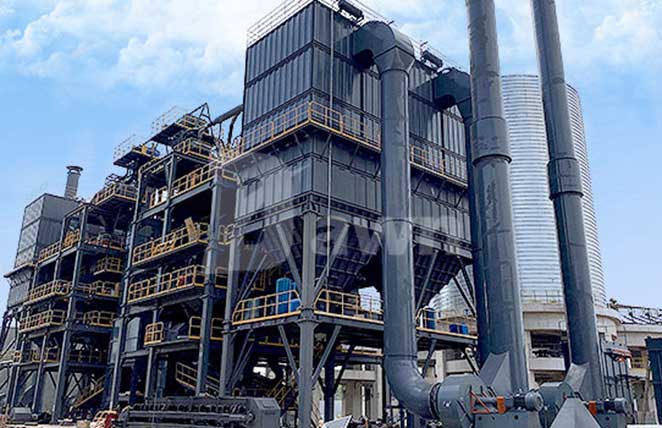
120T/H VU Aggregate Optimization System in Chongqing, China

The configuration of 120T/H VU Aggregate Optimization System in Chongqing, China

Place of use: Chongqing, China Application: mixing station

Equipment: VU150 Aggregate Optimization System

Processed material: limestone Capacity: 120T/H

Input size: <25mm

Output size: 3mm

Learn more

NEWS

News and Latest Updates

MORE

27/02

2026

Liming Heavy Industry: Safeguarding Engineering Projects with Advanced Equipment

From towering mountain ranges to expansive plains, from dense road networks to intricate intercity connections, after 38 years of dedicated technological development, Liming Heavy Industry has become a trusted provider of sand and aggregate equipment as well as comprehensive solutions for clients in over 180 countries and regions worldwide.

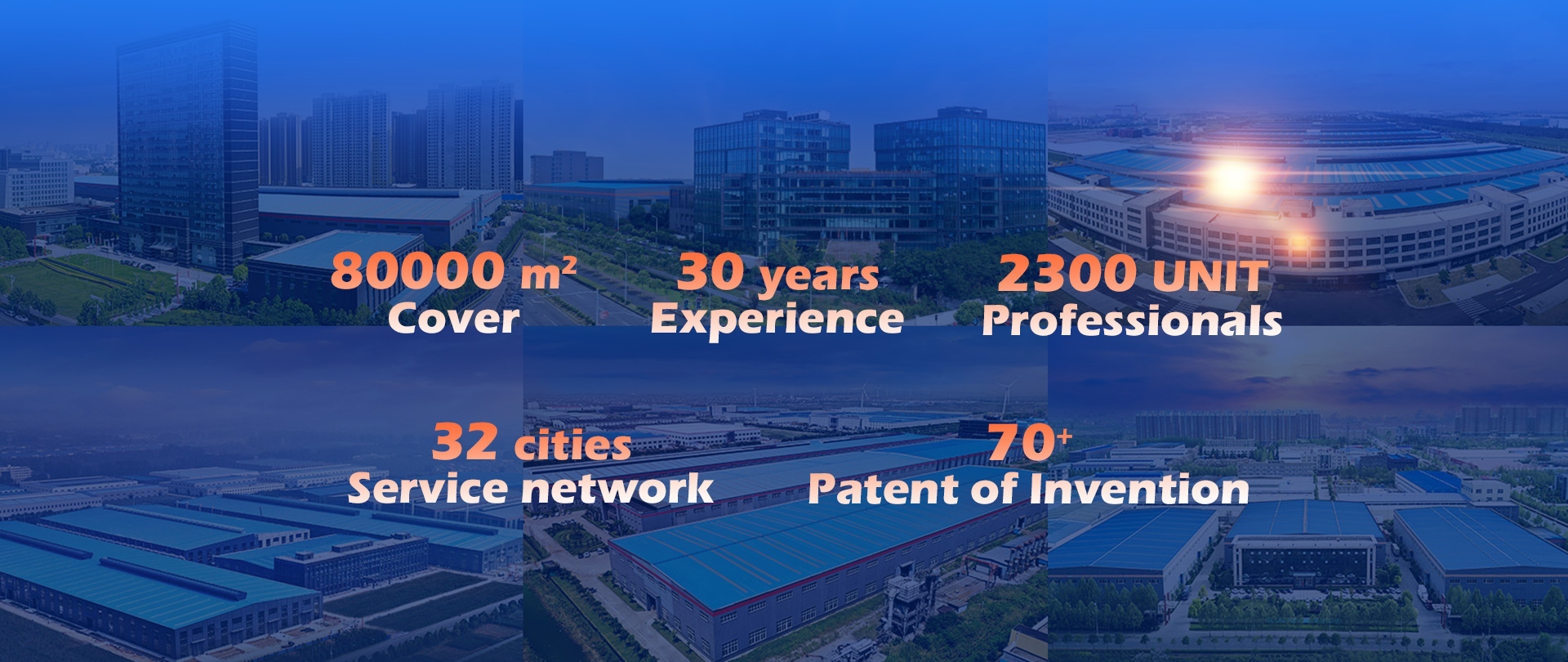
Since its establishment in Zhengzhou in 1987, Liming Heavy Industry has expanded from central China to the world, growing into an internationally renowned manufacturer of mining and construction crushing and screening equipment. The company’s headquarters is located in the Zhengzhou National High-Tech Industrial Development Zone, with six production bases distributed across Zhengzhou, Shanghai, Jiangsu, Jiaozuo, and other locations, covering a total area of over 1,600 mu. Equipped with more than 1,000 precision manufacturing devices, the company has been recognized as a “National Green Factory” and a “National High-Tech Enterprise,” and it participates in setting industry standards for crushers.

1-2601310959204V.jpg

Guided by the philosophy of “Technology as the Root, Service as the Core,” Liming Heavy Industry has built a complete technological matrix across three key areas: crushing, sand-making, and screening:

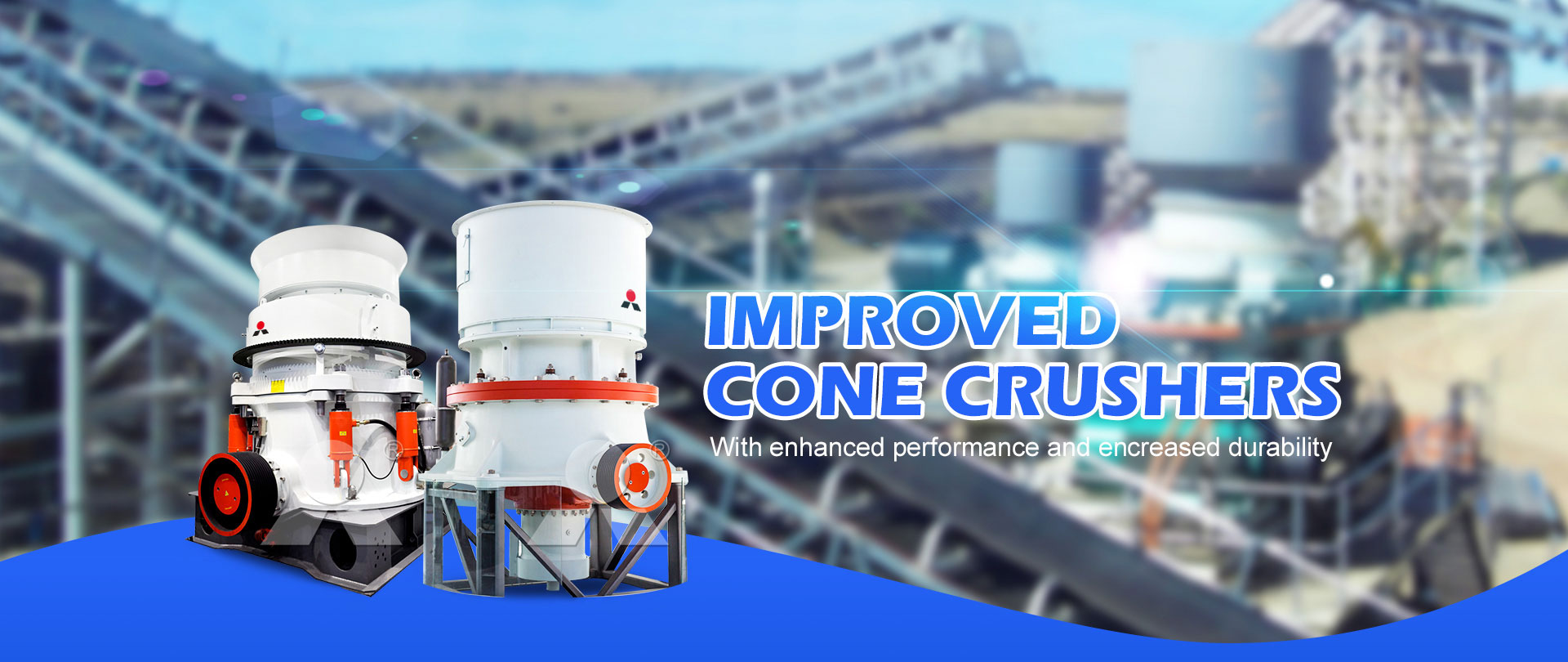
Crushing Field: The HPT multi-cylinder and HST single-cylinder hydraulic cone crushers achieve internationally leading standards, employing the laminating crushing principle to significantly increase the proportion of cubed finished products.

1-260131095US40.jpg

02/08

2026

Analysis of the Advantages and Investment Prospects of Producing Manufactured Sand from Construction Waste

The construction industry is booming, and the demand for sand and gravel aggregates continues to rise. However, due to environmental protection regulations and restrictions on natural sand and gravel mining, there is a shortage of sand and gravel aggregates. In some areas, the price of aggregates has increased from 20-30 yuan per ton to 110-120 yuan per ton, and the price remains high.

Due to the rapid growth of the construction industry in recent years, the amount of construction waste has also increased. In 2018, my country's urban construction waste output reached a staggering 1.5 billion tons, and it continues to increase rapidly at a rate of 10% per year, expected to reach around 2 billion tons in 2019. However, my country's construction waste treatment rate is only about 5%. The 1.5 billion tons of construction waste urgently need to be processed, which could create trillions of yuan in value. The recycling and reuse of construction waste not only has promising prospects but also significant profit potential. Today, let's take a look at the market advantages and investment potential of using construction waste to produce manufactured sand in the current industry.


What are the advantages of using construction waste to produce manufactured sand?

Manufactured sand made from construction waste is a type of manufactured sand.

Manufactured sand is a type of sand, mainly referring to sand formed by machine crushing. Generally, any stone material with sufficient hardness can be used as raw material for manufactured sand. More precisely, igneous rocks, metamorphic rocks, and sedimentary rocks with sufficient compressive strength should be selected. According to GB/T14685-2001 "Pebbles and Crushed Stones for Construction," the saturated compressive strength of igneous rocks should not be less than 80 MPa, metamorphic rocks should not be less than 60 MPa, and sedimentary rocks should not be less than 30 MPa.

Manufactured sand is compared to natural sand such as river sand. Natural sand is mainly formed by natural forces, such as river sand and sea sand. However, due to environmental protection and other reasons, the cost of natural sand is becoming higher and higher, while its profit is becoming lower and lower, and the market is shrinking. Therefore, manufactured sand is becoming more and more popular in the market, and its market share is increasing.

48cdf4048215b99829733e950031c72.jpg

Comparison of Manufactured Sand and Natural Sand

With the increasing scarcity of natural sand and its protection under government policies, the market for manufactured sand is showing tremendous potential and vitality. Especially in recent years, the huge demand in the construction market has promoted the rapid development of the sand and gravel market. Manufactured sand, produced using high-efficiency impact crushers, is gradually replacing natural sand in the market due to its unique advantages, becoming one of the best sources of construction materials.

While manufactured sand is slightly less durable than river sand, it still meets the superior grade standards of GB/T141684293 and poses no problems when used in ordinary concrete. Manufactured sand has more irregular particle shapes, resulting in better adhesion, higher compressive strength, and a longer service life when used with cement and other structural binders.


What are the investment prospects for producing manufactured sand from construction waste?

The prospects are excellent.

The prospects for producing sand from construction waste are very promising. Currently, every city faces the demolition of houses, roads, parks, and bridges, and the waste materials from these demolitions require unified processing. Crushing and processing construction waste into sand transforms these waste materials into valuable resources. The raw materials are abundant and inexpensive, and there is also policy support. Producing sand from construction waste can generate significant profits.  Furthermore, the crushed construction waste will also contain scrap iron, which represents another source of income.


31/01

2026

Which type of sand—sea sand, river sand, desert sand, or manufactured sand—is most suitable as construction aggregate? What are the differences between them?

Sand, also known as fine aggregate for concrete, is an essential material in construction projects and one of the main components of modern concrete.  In concrete, it plays the role of adjusting the proportions and filling the voids between coarse aggregates. There are roughly four types of sand: river sand, sea sand, desert sand, and manufactured sand. Which type is suitable for use as construction aggregate? What are the differences between them?

01

Different Distribution Areas

Manufactured sand mainly consists of mechanically crushed mountain sand, and its production enterprises are distributed throughout the country.  It can be said that manufactured sand can be produced wherever there are rocks.Natural mountain sand is mostly produced at the foot of mountains, while river sand mainly comes from rivers and lakes. They are distributed in both inland and coastal areas. Mountain sand has smaller reserves, while river sand is widely distributed and has large reserves.Desert sand, as the name suggests, comes from deserts. Geographically, deserts are concentrated in 13 regions worldwide. China's deserts cover a total area of approximately 700,000 square kilometers, and if the more than 500,000 square kilometers of Gobi Desert are included, the total area is 1.28 million square kilometers, accounting for 13% of China's total land area. The arid region of Northwest China is the most concentrated area of deserts in China, accounting for about 80% of the country's total desert area. The main deserts from west to east include the Taklamakan Desert, Gurbantünggüt Desert, Kumtag Desert, Qaidam Desert, Badain Jaran Desert, Tengger Desert, Ulan Buh Desert, and Kubuqi Desert, among others. The reserves of desert sand are enormous.Sea sand, as the name suggests, is sand that has been soaked in seawater. It is mainly distributed in coastal areas, usually located at the confluence of seawater and rivers and in shallow sea areas, existing in the form of sandbars, sand ridges, sand dunes, sand waves, scour channels, ancient river valleys, ancient beaches, and ancient deltas. The main offshore sand deposits in my country are mainly located in the Bohai Sea, the northern Yellow Sea, the Taiwan Strait, the Pearl River Estuary, around Hainan Island, and the Beibu Gulf, with huge reserves.

02

Differences in Mineral and Chemical CompositionManufactured sand's parent rock (raw material) mainly consists of granite, limestone, basalt, gneiss, etc., and its main mineral and chemical components are consistent with the parent rock. For example, granite manufactured sand's main minerals are quartz and feldspar, and its chemical composition is mainly silicon dioxide and aluminosilicates; while limestone manufactured sand's main mineral component is mainly calcite, and its chemical composition is mainly calcium carbonate. Manufactured sand has stable mineral and chemical composition and basically contains no organic matter. In contrast, natural mountain sand has a complex composition, more organic impurities, and a higher clay content.River sand's main mineral component is quartz, containing minerals such as mica, and it contains many impurities. Because river sand undergoes long-distance "tumbling" and repeated washing and screening by water, its compositional maturity is high (referring to the degree to which clastic materials are modified in terms of composition).Desert sand's main component is quartz, with small amounts of feldspar and muscovite. Its source is mainly residual minerals from the weathering of sandstone and granite. The sand in the desert is formed by weathering and accumulation, and harmful substances cannot be removed, resulting in a high content of harmful substances in the sand, and it is fine and loose, not meeting my country's standards for construction sand.Desert sand has a very high alkali content. The salt and alkali components in the sand are corrosive to the steel bars in buildings. High-alkali sand will react chemically with cement and water, leading to insufficient strength of the final concrete, thus causing serious consequences.The main mineral component of sea sand is also quartz. Its compositional maturity is higher than that of river sand, but it often contains shells and rock fragments, and has a higher clay content and more impurities. It is distinguished from river sand by its high content of chloride ions (salt), as well as a higher content of organic matter and a certain content of sulfates and sulfides. The Ministry of Housing and Urban-Rural Development of China stipulates that sea sand used as fine aggregate for reinforced concrete must be desalinated so that its chloride ion content is less than 0.06%. If unqualified sea sand is used directly, the high content of chloride ions will corrode the steel bars, leading to damage to the building structure and greatly reducing the strength, hardness, and load-bearing capacity of the building.

621b20786a85c481fa2a93b7814d62e.jpg

Clicky