NEWS
DEVOTED ELABORATE RIGOROUS HARMONIOUS
 HOME-NEWS-Liming Heavy Industry new
How to Extend the Service Life of a Cone Crusher?
16/01/2026
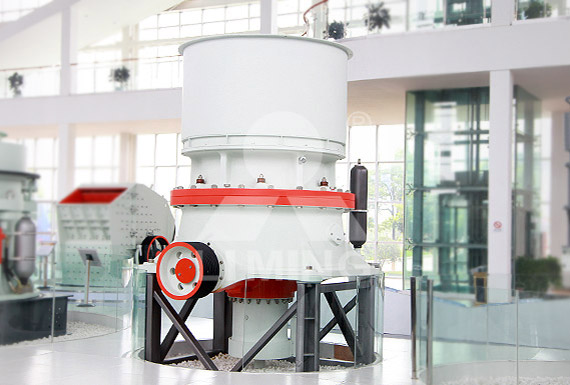
Cone crushers are critical equipment in mining, construction, and aggregate production industries, known for their high crushing efficiency, stable performance, and ability to handle hard materials. However, due to the harsh working environment—characterized by heavy loads, strong impacts, and abrasive materials—cone crushers are prone to wear, fatigue, and component damage, which directly affect their service life and operational costs. Extending the service life of a cone crusher requires a combination of scientific selection, standardized operation, regular maintenance, and timely troubleshooting. This article elaborates on the key measures to achieve this goal.
The service life of a cone crusher is largely determined at the selection and installation stage. Irrational selection or improper installation will lead to potential faults and shorten the equipment’s lifespan.
In terms of selection, it is essential to match the crusher’s specifications and performance with the actual working conditions. First, clarify the properties of the material to be crushed, such as hardness, viscosity, moisture content, and particle size. For example, crushing high-hardness materials like granite or basalt requires a cone crusher with high wear resistance and strong load-bearing capacity, while materials with high moisture content may need equipment with anti-clogging designs. Second, determine the required output and discharge particle size to avoid overloading or underloading the crusher. Overloading for a long time will cause excessive wear on the main shaft, bearing, and crushing cavity, while underloading may lead to inefficient operation and uneven wear of components.
During installation, strict adherence to the manufacturer’s guidelines is crucial. Ensure the installation foundation is flat, solid, and has sufficient bearing capacity to reduce vibration during operation—excessive vibration is a major cause of component loosening and fatigue damage. Align the main shaft, eccentric shaft, and other key components accurately to ensure smooth operation. Additionally, check the tightness of bolts, connectors, and lubrication pipelines to prevent oil leakage, air leakage, or component displacement during operation. After installation, conduct a no-load test and a load test sequentially to verify the equipment’s operation status and adjust parameters in a timely manner.
Improper operation is one of the leading causes of shortened cone crusher service life. Operators must be professionally trained to master the correct operation methods and safety norms.
Before starting the crusher, conduct a pre-operation inspection. Check the lubrication level and quality, the wear status of the crushing liner, the tightness of fasteners, and the operation of the electrical system. Ensure there are no foreign objects (such as metal blocks, stones larger than the feed size) in the crushing cavity, as these can cause severe impacts and damage the liner or main shaft. Start the crusher in accordance with the specified procedure: first start the lubrication system and wait for the oil pressure and temperature to reach the normal range, then start the main motor, and finally feed materials evenly.
During operation, maintain a stable and uniform feed rate. Avoid sudden increases or decreases in feed volume, as this will cause load fluctuations and uneven wear of the crushing cavity. Do not feed materials beyond the maximum feed size, and promptly remove any uncrushable foreign objects to prevent equipment jamming. Monitor key parameters in real time, such as the temperature of the bearing, the vibration of the equipment, the oil pressure of the lubrication system, and the discharge particle size. If any abnormal parameters are detected, stop the machine immediately for inspection and troubleshooting to avoid minor faults evolving into major damage.
After shutting down the crusher, follow the correct shutdown procedure: first stop feeding materials, continue operating the crusher until all materials in the cavity are discharged, then stop the main motor, and finally stop the lubrication system. Clean the crushing cavity, feed hopper, and discharge port to remove residual materials, and conduct a post-operation inspection to record the wear status of components and potential problems.
Regular and systematic maintenance is the core measure to extend the service life of a cone crusher. It can effectively prevent component wear, fatigue, and failure, and ensure the equipment operates in optimal condition for a long time.
The lubrication system plays a vital role in reducing friction between moving components (such as bearings, eccentric shafts, and gears) and dissipating heat. Poor lubrication will cause severe wear, overheating, and even seizure of components. Therefore, it is necessary to regularly check the lubricating oil level, quality, and oil pressure. Replace the lubricating oil according to the manufacturer’s recommended cycle (usually every 2,000 to 4,000 operating hours) and use the specified type and grade of oil to avoid mixing different types of oil. Clean the oil filter, oil cooler, and oil tank regularly to prevent impurities from entering the lubrication system and causing blockage or wear. Ensure the lubrication pump operates normally, and check for oil leaks in pipelines and connectors.
Components such as crushing liners, mantle, concave, and feed plates are prone to wear due to direct contact with abrasive materials. Regularly inspect the wear status of these components—when the wear amount exceeds the specified limit, replace them in a timely manner to avoid excessive wear on other components. During replacement, select high-quality wear-resistant materials (such as manganese steel, alloy steel) that match the working conditions to improve the service life of the new components. Additionally, check the fit between the liner and the crusher body, and fasten the bolts firmly to prevent the liner from loosening and causing impact damage during operation.
Vibration during the operation of the cone crusher can easily cause loosening of bolts, nuts, and other fasteners. Regularly check the tightness of all fasteners and retighten them if necessary. Replace any damaged or deformed fasteners to ensure the stability of the equipment structure. At the same time, inspect the seals (such as oil seals, gaskets) of the lubrication system, hydraulic system, and electrical system. Replace worn or damaged seals promptly to prevent oil leakage, water ingress, or dust intrusion, which can cause component corrosion and wear.
Many cone crushers are equipped with hydraulic systems for adjusting the discharge gap and overload protection. Maintain the hydraulic system by regularly checking the hydraulic oil level, quality, and pressure. Replace the hydraulic oil and filter element according to the recommended cycle, and clean the hydraulic tank and pipelines to remove impurities. Check for leaks in the hydraulic cylinder, valve, and pipeline, and repair or replace damaged components in a timely manner. Ensure the hydraulic system’s pressure relief valve, overflow valve, and other safety components operate normally to avoid hydraulic system failure due to excessive pressure.

Even with strict maintenance and standardized operation, cone crushers may experience faults during long-term operation. Timely and accurate troubleshooting can minimize the impact of faults on the equipment and avoid further damage.
Common faults of cone crushers include excessive vibration, bearing overheating, abnormal noise, reduced output, and oil leakage. For each fault, it is necessary to identify the root cause and take targeted measures. For example, excessive vibration may be caused by uneven feeding, loose fasteners, or worn components—check and adjust the feed rate, retighten fasteners, or replace worn parts. Bearing overheating may result from poor lubrication, excessive load, or bearing damage—improve lubrication, reduce load, or replace the bearing. Abnormal noise may indicate foreign objects in the crushing cavity, component wear, or misalignment—stop the machine to remove foreign objects, inspect and replace worn components, or realign the shaft.
Establish a fault recording system to record the type, occurrence time, cause, and solution of each fault. Summarize fault rules regularly to optimize maintenance plans and operation methods, thereby reducing the recurrence rate of faults.
The professional quality of operators and maintenance personnel directly affects the service life of the cone crusher. Establish a sound training system to conduct regular professional training for personnel. Operators should master the correct operation methods, safety norms, and basic fault judgment skills; maintenance personnel should be familiar with the structure and working principle of the equipment, and master maintenance techniques such as lubrication, component replacement, and fault repair.
Formulate strict equipment operation and maintenance management systems, clarify the responsibilities of personnel, and supervise the implementation of operation and maintenance work. Conduct regular inspections and evaluations to ensure that operators and maintenance personnel abide by relevant regulations, and reward those who perform well in equipment maintenance and operation. Through standardized management and professional training, improve the overall level of equipment operation and maintenance, and lay a human foundation for extending the service life of the cone crusher.
Extending the service life of a cone crusher is a systematic project that requires the combination of rational selection, standardized operation, regular maintenance, timely troubleshooting, and professional personnel management. By implementing the above measures, enterprises can effectively reduce equipment failure rates, reduce maintenance costs and production losses, and improve the operational efficiency and service life of the cone crusher. In the long run, this not only helps enterprises reduce production costs but also enhances their core competitiveness in the industry. Therefore, enterprises should attach great importance to the maintenance and management of cone crushers and continuously optimize relevant measures according to actual working conditions.
<<Previous: Mobile Gold Crushing Plant Cost >>Next: Which type of sand—sea sand, river sand, desert sand, or manufactured sand—is most suitable as construction aggregate? What are the differences between them?
Contact Us
Our professional engineer team has started a global customer visit , to provide customers with omni-directional and heart to heart on-site service.
Whether you are using our equipment or not, welcome to leave online message and get in touch with us,
we will be glad to provide you with a variety of material processing technologies and complete equipment solutions in the first time.